CANUS/The campus
One pod.One campus.
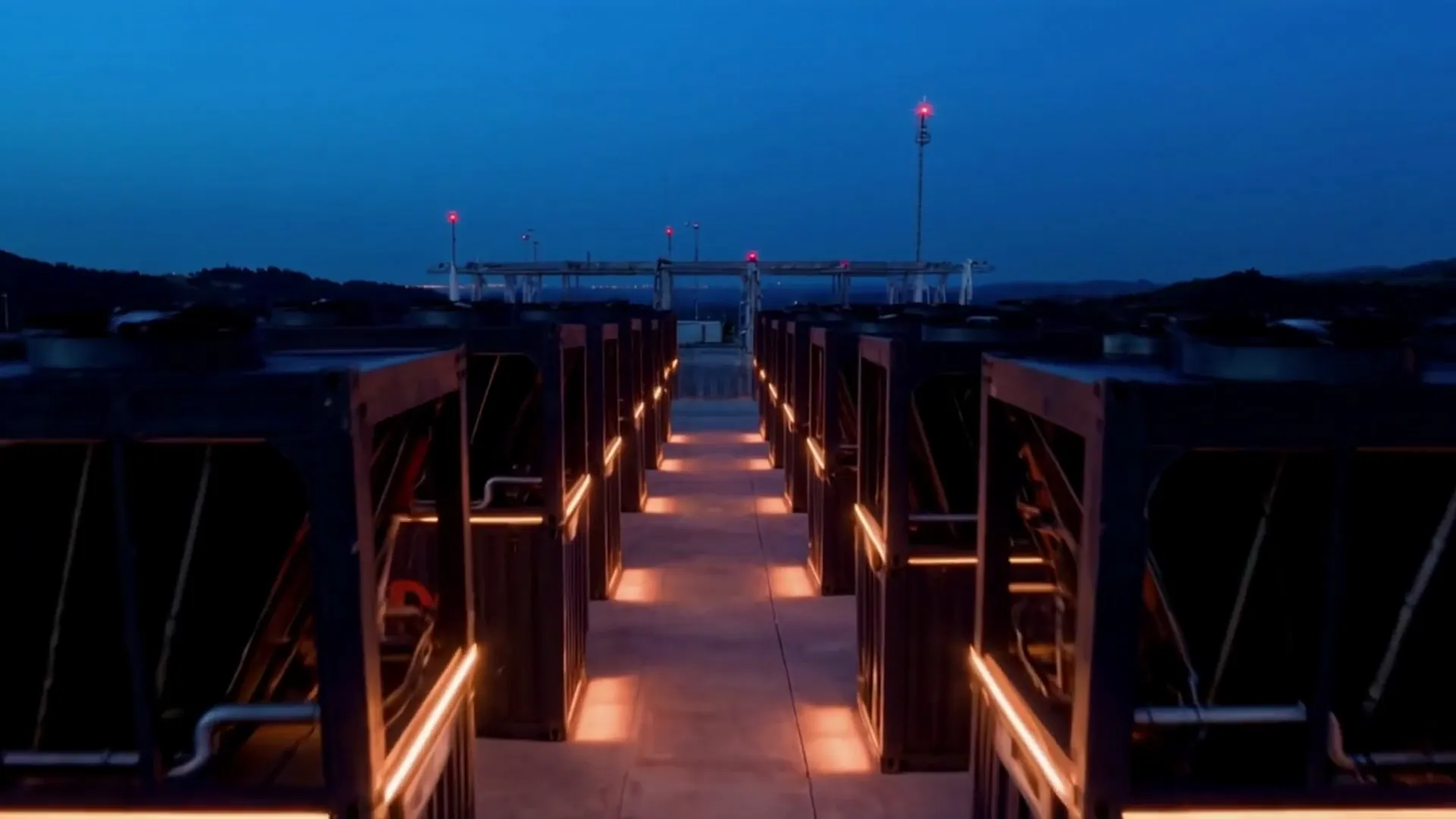
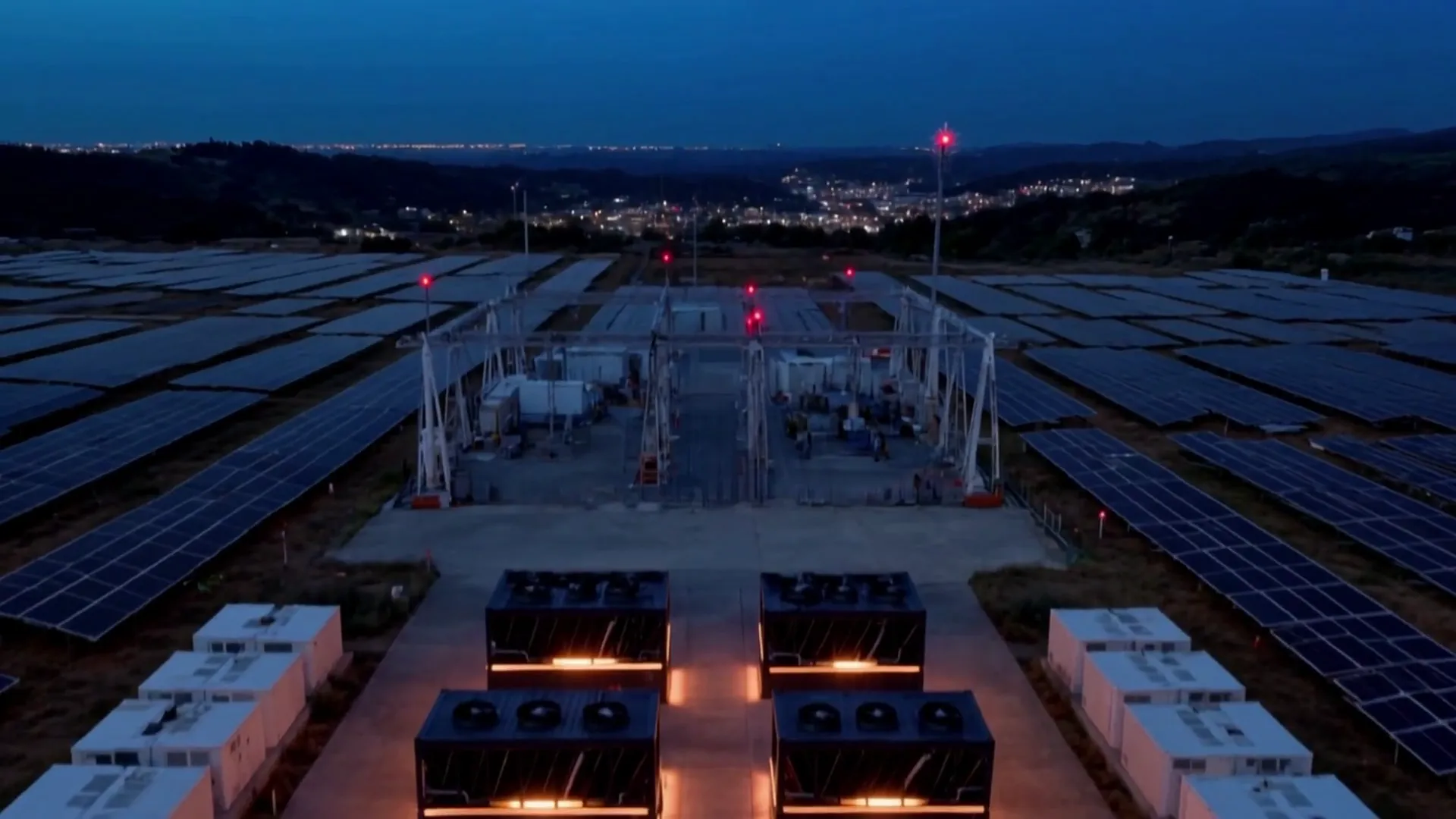
PortaDC scales by the 450 kW block: four pods in the first LV bay, ten pods a site, fifty pods across sites run as one 22.5 MW+ campus.
01Three tiers
01 / 04
From the LV bayto the campus.
Each tier reuses the connection, the fibre and the civil works of the one before it.
Tap a pod or a site for footprint, plinths and lifts
- 01
Phase 1 · the LV bay
4 pods · 1.8 MW · phase 1
Pod 1 lands on the existing 415 V auxiliary switchboard. Pods 2, 3 and 4 share the same pad, tie-in and fibre. No new grid works, no transmission queue, no connection study on the critical path.
- 02
The site · sized to the connection
10 pods · 4.5 MW IT · about 5.45 MW input
A site builds to ten pods: 4.5 MW of IT load, about 5.45 MW of facility input at full draw. The tier is set by the host's spare import capacity and the network operator's written acceptance of the modified connection, not by the pod count. Where a 5 MW import limit applies, eight pods fit under it at 3.6 MW IT and about 4.4 MW input.
- 03
The campus · sites linked
50 pods · 22.5 MW+
Five sites of ten pods run as one virtual campus: one power, thermal and telemetry control plane, one operating record, one invoice per tenant. A tenant sees one estate; each host sees only its own site.
One site.Run as one fleet.
- 4.5 MW
- IT per site
- 22.5 MW+
- Per campus
Many pads.One record.
LARUS AI™ runs the campus the way one hall is run, from the factory test onward.
01
Power
Each site's tie-in is metered at the boundary and held inside the host's envelope by FrontierGate™. Site power events land at the boundary; tenant racks are never trimmed outside the contracted Surge band.
02
Thermal
Every pod reports its thermal state into the same record. The campus knows which pod has headroom before the host asks for it.
03
Telemetry
Electricity in and heat out are hardware-signed per pod and rolled up per site and per tenant. The tenant and the host read one hardware-attested operational record across every pod on the campus, scoped to what each is owed.
04
Tenancy
A tenant leases blocks across pads and sites under one agreement: rent per IT-kW-month, power at cost. Capacity added at the next site arrives on the same terms and the same record.
Turn spilled energyinto rent.
Ten host sites in screening across NSW. First tranche: 1.8 MW, NSW, H1 2027 target. A host sees one site; the campus never reaches past the boundary meter.
01
Rent from the headroom you already have
The pods are a load on your connection, sized to your spare import capacity and metered at the boundary. Energy you would otherwise spill or sell at the solar capture price earns a site rent instead.
02
Your envelope first
When you need headroom the cushion is held at the boundary. The envelope is yours to set, and the tenant's firm floor never touches it.
03
One counterparty, no capital from you
CANUS owns, insures and operates every pod. You hold one site agreement with one operator, whatever the campus grows to.
One estate.Many pads.
A buyer leases capacity by the block and grows it where the power is cheapest.
01
Start at 450 kW or 900 kW
One pod, one lease, one invoice. Racks from 35 to 130+ kW across two hulls.
02
Grow by the block
The next block lands on the same pad, then the next site. Same three-number lease, same record, same terms.
03
Read one record
The tenant and the host read one hardware-attested operational record across every pod on the campus. Firm floor, cushion and flexible band, metered per pod and rolled up: what you were promised and what you drew, in one place.
Deploy
Start with one pod.Grow into the campus.
Tell us the workload and where your customers are. If you hold a connected site, tell us the envelope.
Up next
Why decentralised→