CANUS/Technology / FrontierGate™
FrontierGate™.Sub-millisecond hardware boundary governance.
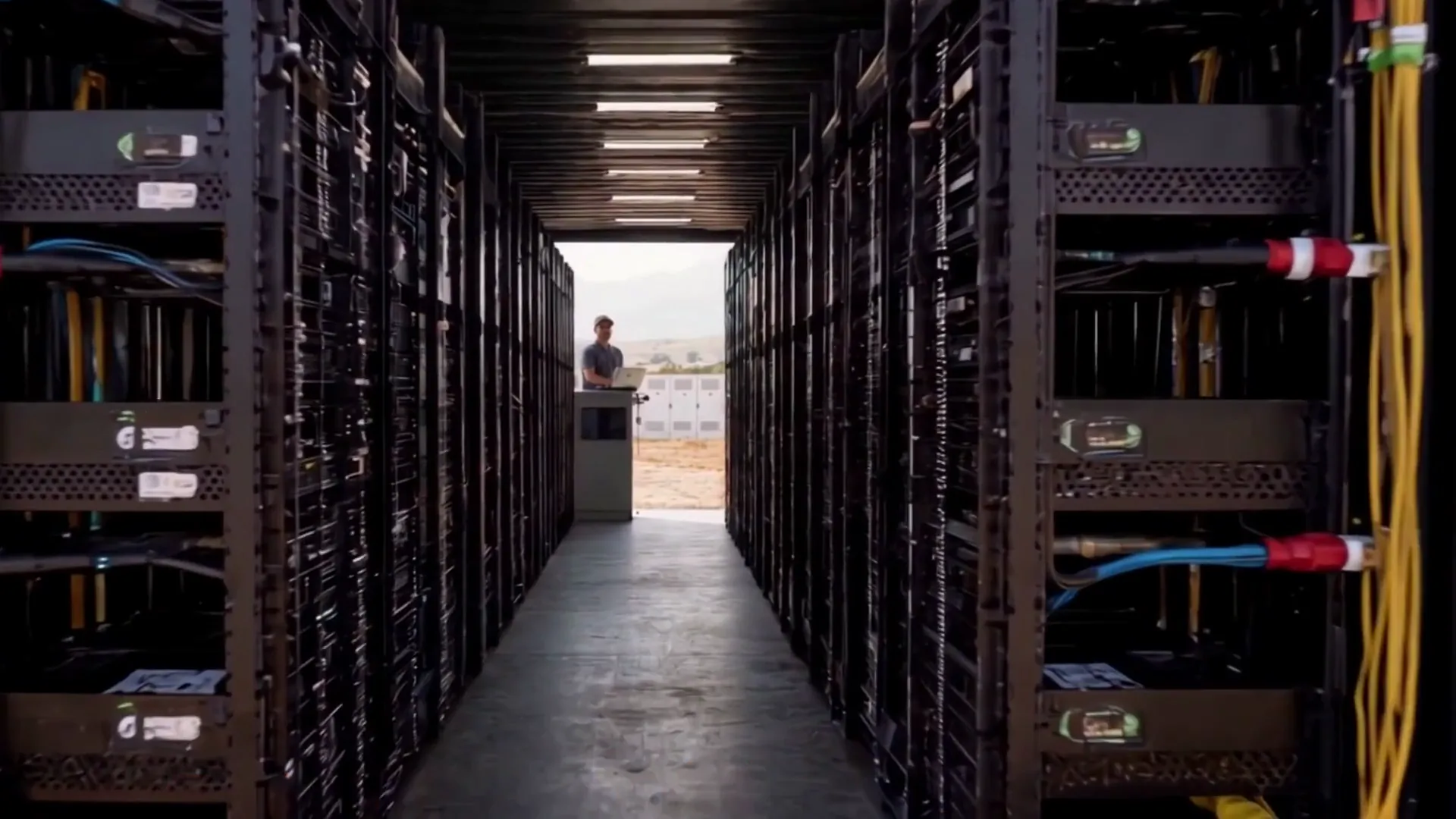
Our proprietary hardware boundary governor enforces strict electrical isolation between the host generation asset and the compute vault.
01In operation
01 / 04
FrontierGate™The Boundary Controller
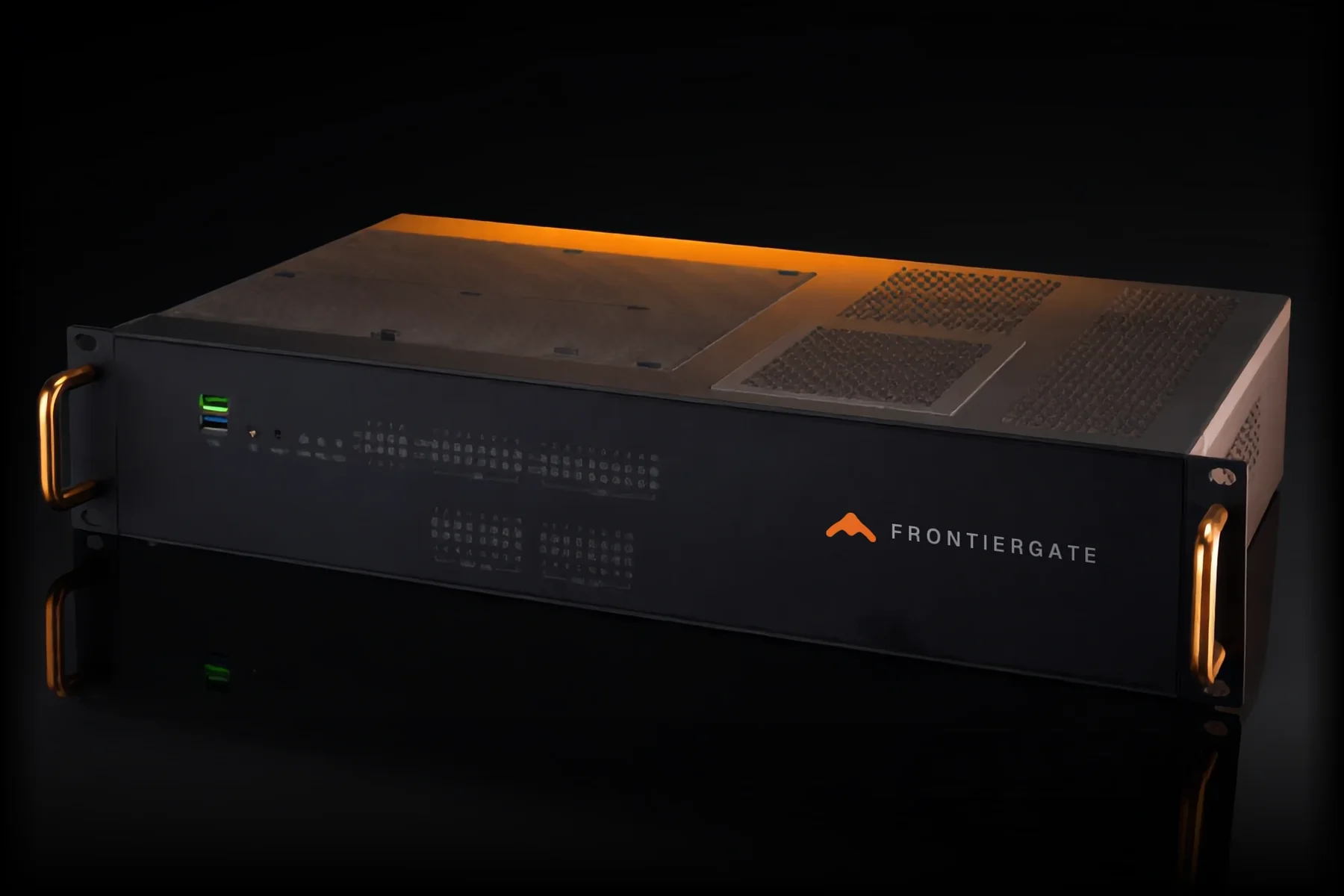
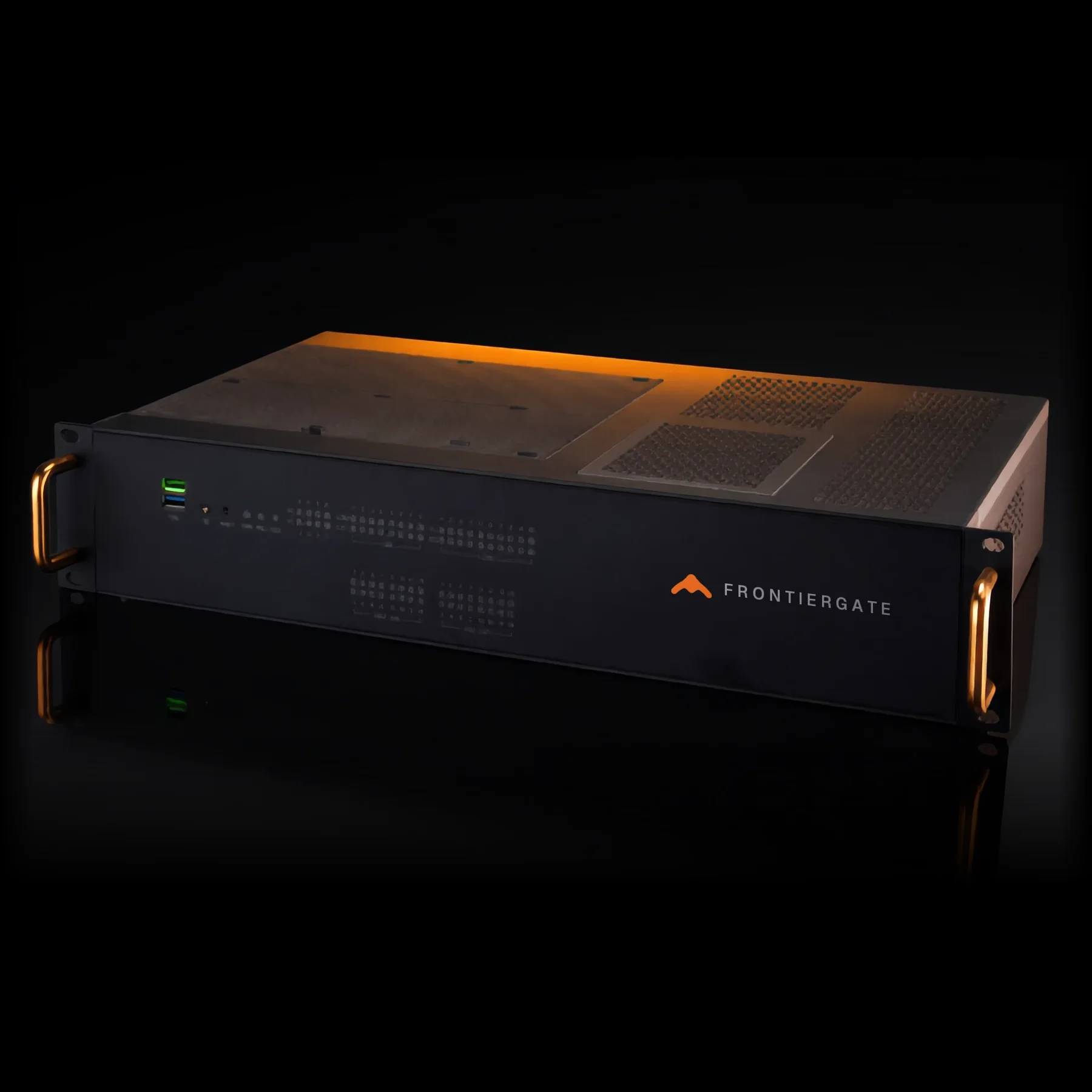
Our proprietary hardware boundary governor enforces strict electrical isolation between the host generation asset and the compute vault. FrontierGate™ guarantees zero overload trips on the host network while protecting the tenant's firm compute floor in sub-millisecond response windows. Detailed protection curves and single-line diagrams are provided to host utilities and tenants under NDA.
Architectural boundary // where FrontierGate™ sits
Demand management and fault protection stay separate
Boundary response // FrontierGate™
Sub-millisecond response window
Site-approved power envelope
Pod demand · 74% of envelope
Sub-millisecond governance
0 overload trips
0 events handled · ahead of every overload curve
- 450 kW → 1.2 MW
- Per Pod, Two Hulls
- 22.5 MW+
- Per Campus, Run as One Fleet
- 120 days
- Target from Order to Powered Racks
- -12–21%
- Under Sydney Metro, All-in
- 0 L
- Evaporative Cooling Water
FrontierGate™The Boundary Controller
What it does.What it means.
- 01
The cushion, executed in sub-millisecond windows
Ahead of every overload curve
What it does
Every lease carries an always-on cushion held at the boundary. When the host's own load ramps, FrontierGate™ holds the host's power boundary while the tenant's firm floor never moves.
What it means
The pod answers the host's load changes before any protective device needs to, GPUs untouched, so the host keeps its headroom and the tenant keeps its floor.
- 02
The firm floor the host cannot cut
Designed for zero overload trips
What it does
FrontierGate™ is designed to hold pod demand inside the site-approved envelope using the cushion first. Pulse tenants have a flexible band of zero and are never trimmed. Surge tenants carry a contracted 25 to 40% band and answer a power-budget signal with their own orchestration. Fault protection stays independent.
What it means
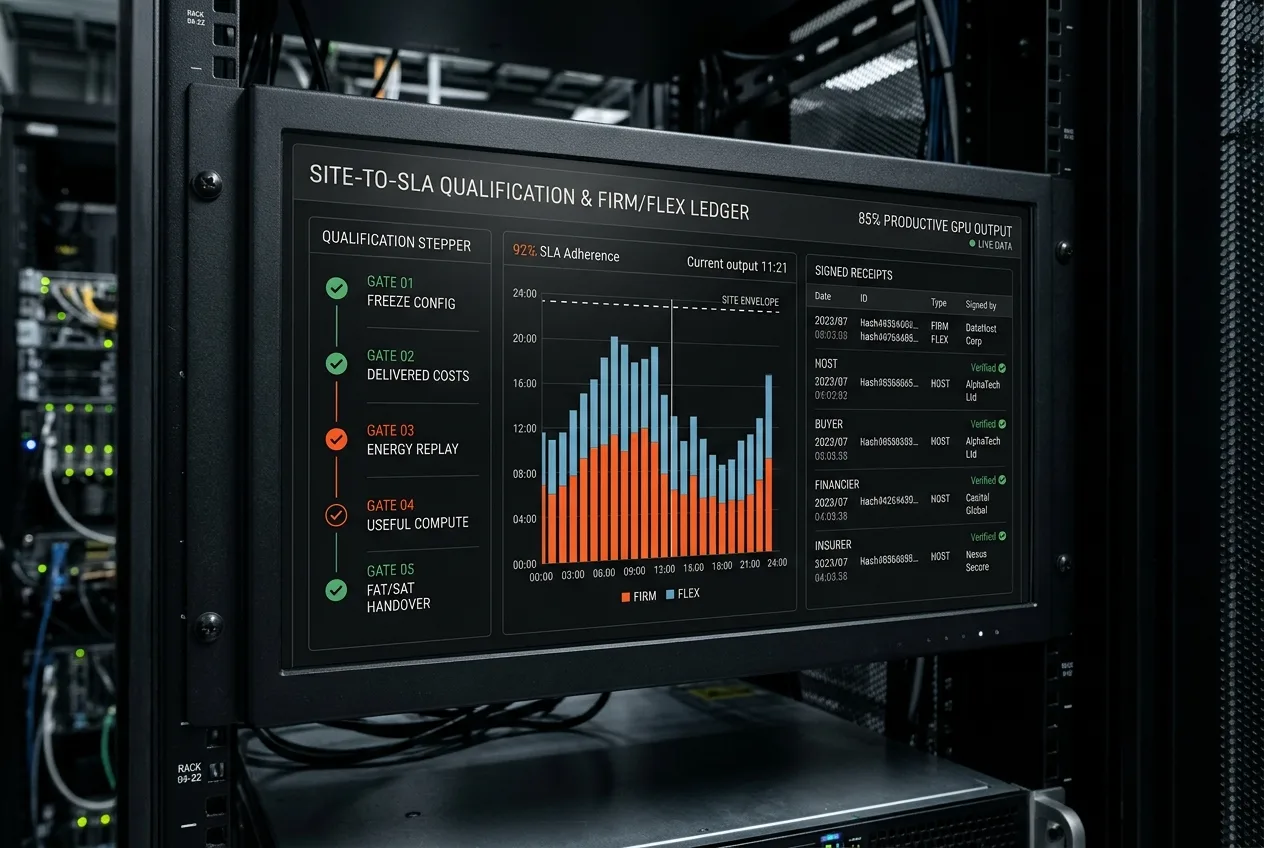
Hosts, their network provider and their insurers see a tenant that never competes with core operations for the connection, with electricity in at the boundary meter signed into the LARUS record, and a clear line between demand management and fault protection.
- 03
Solar-Sponge plans it, FrontierGate executes it
One cushion, two systems
What it does
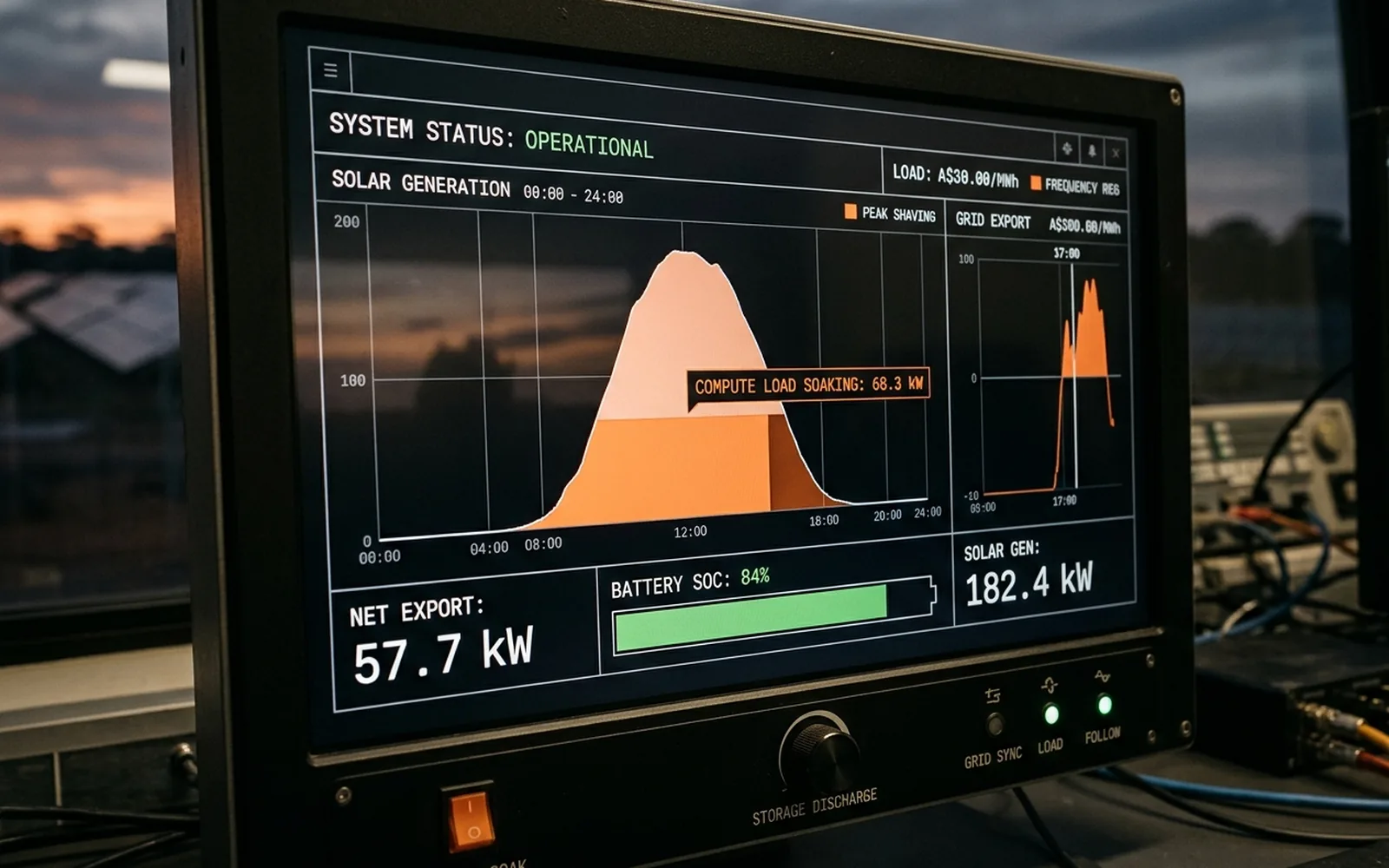
Solar-Sponge™ plans the pod's flexible band around the solar day and the host's needs. FrontierGate™ executes that plan at the host boundary when the call comes, and LARUS AI™ records electricity in and heat out as it happens.
What it means
The host gets a tenant whose flexibility is real and measured. The tenant gets a floor that is written into the lease and never shares the host's problem.
- 04
Deployment on existing connections
120-day target, not a substation
What it does
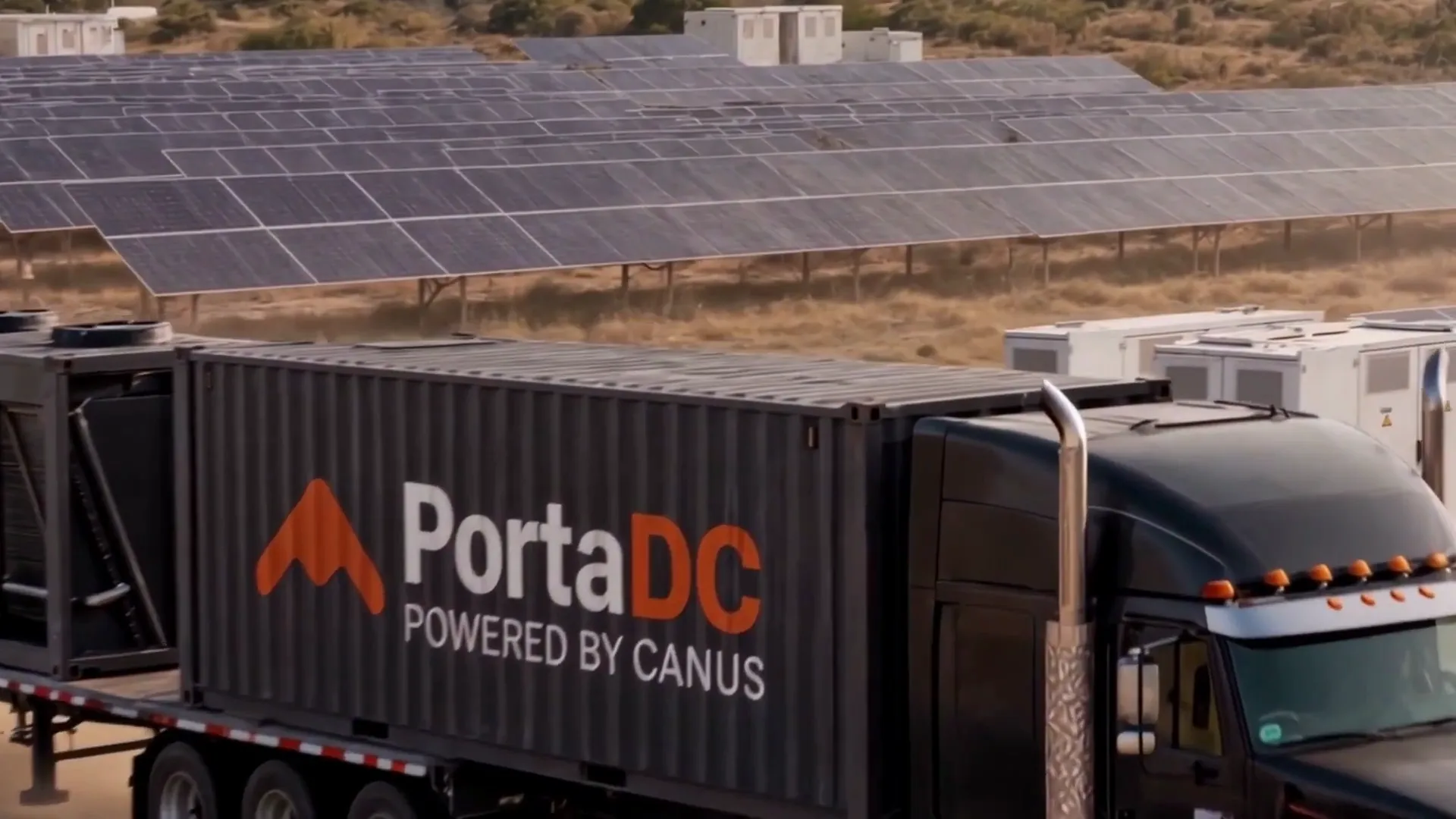
Staying within an existing switchboard's permitted envelope means a PortaDC pod can be assessed and deployed on solar-and-battery farms and industrial premises without waiting years for a new substation, subject to the site's connection assessment where required.
What it means
We target powered racks 120 days from order: bringing the pod to power that is already permitted, rather than queueing for power that isn't.
Indetail.
The cushion → host headroom
The tenant's firm floor never moves · sub-millisecond response
Outside temperature
32°C
Warm · most of the cushion available
92 kW cushion → host headroom
Firm floor 708 kW held · boundary 950 kW
Cushion available to the host
13%
The cushion available to the host varies with ambient temperature and is held in full reserve at and above 46°C. The host site's approved envelope is never exceeded. Protection curves are provided under NDA.
Deploy
Tell us the workload.We'll bring the pod.
A short conversation about what you run, where your customers are and when you need it.
Up next
Solar-Sponge™→