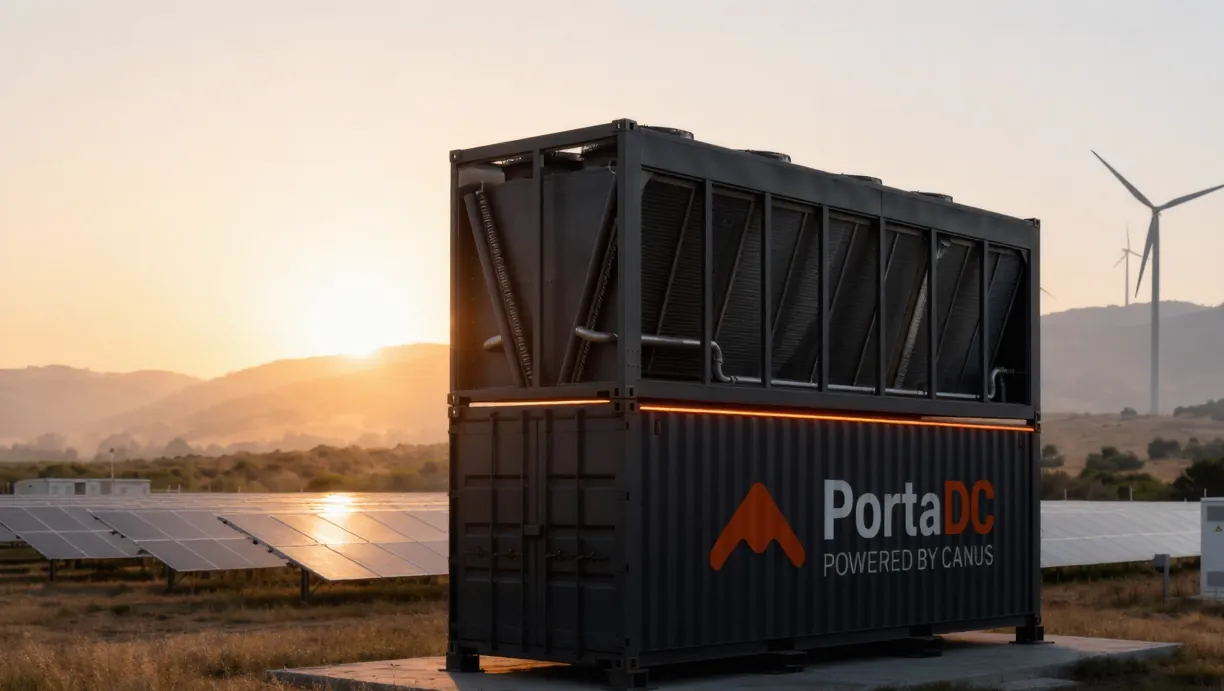
CANUS/Technology / IR-Stealth™ Armor
Designed for 45°C Australian ambientwith no evaporative water.
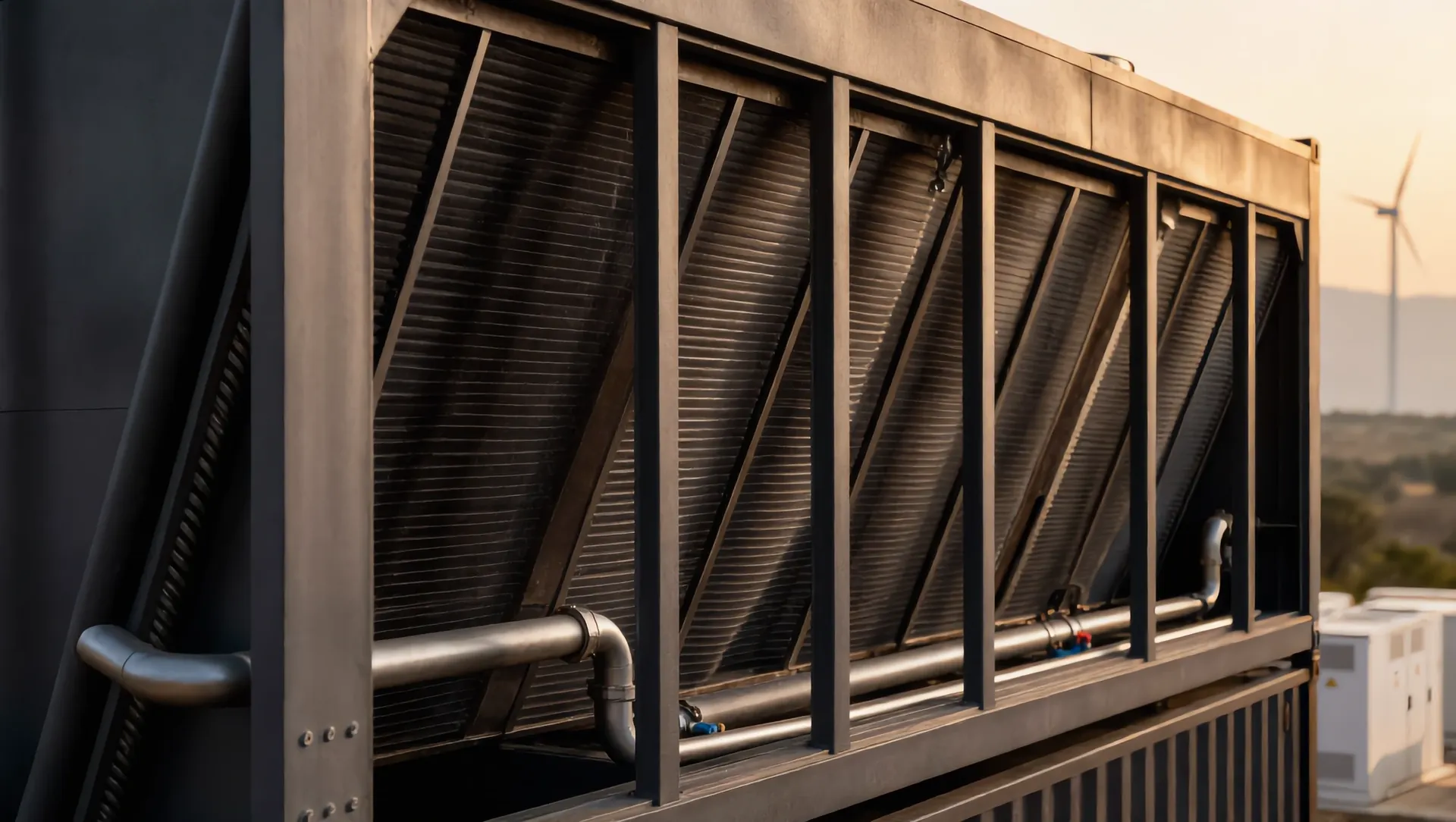
Infrared-reflective ceramic exterior armor, a <55 dBA acoustic envelope and an AS/NZS 3000 and 61439 switchboard spine designed for Australian certification on the outside; closed-loop direct-to-chip liquid cooling with supply at or below 35°C at a 45°C design ambient, 50°C survival margin, on the inside.
01In operation
01 / 04
IR-Stealth™ ArmorCeramic Heat Shield & Zero-Water Cooling Spine
Ambient temperature mode switcher // thermal cutaway
ASHRAE W32/W35 · supply at or below 35°C at 45°C design ambient · 50°C survival margin · no evaporative water · <55 dBA
Who carries the heat
Liquid CDU + dry cooler 80%
Mechanical DX trim 20%
Outdoor air is hotter than the coolant target, so the mechanical trim stage carries its full share to hold supply at or below 35°C (W32/W35). Design point; a 50°C survival margin sits above it. Separate cabinet air keeps switches and power supplies in range.
Supply coolant
35°C
Evaporative water
0L/hr
At the fence
<55dBA
- 450 kW → 1.2 MW
- Per Pod, Two Hulls
- 22.5 MW+
- Per Campus, Run as One Fleet
- 120 days
- Target from Order to Powered Racks
- -12–21%
- Under Sydney Metro, All-in
- 0 L
- Evaporative Cooling Water
IR-Stealth™ ArmorCeramic Heat Shield & Zero-Water Cooling Spine
What it does.What it means.
- 01
Closed-loop liquid cooling for a 45°C design ambient
No evaporative water · supply at or below 35°C
What it does
PortaDC pairs closed-loop direct-to-chip liquid cooling with rooftop heat rejection to air, plus separate cabinet air for switches and power supplies. Design: supply coolant at or below 35°C at 45°C ambient, with a 50°C survival margin.
What it means
No evaporative cooling water after the initial closed-loop fill, so pods go wherever the megawatts are, with or without a water main. 1.10 to 1.21 design PUE.
- 02
Solar heat shield exterior
Designed to reflect the sun
What it does
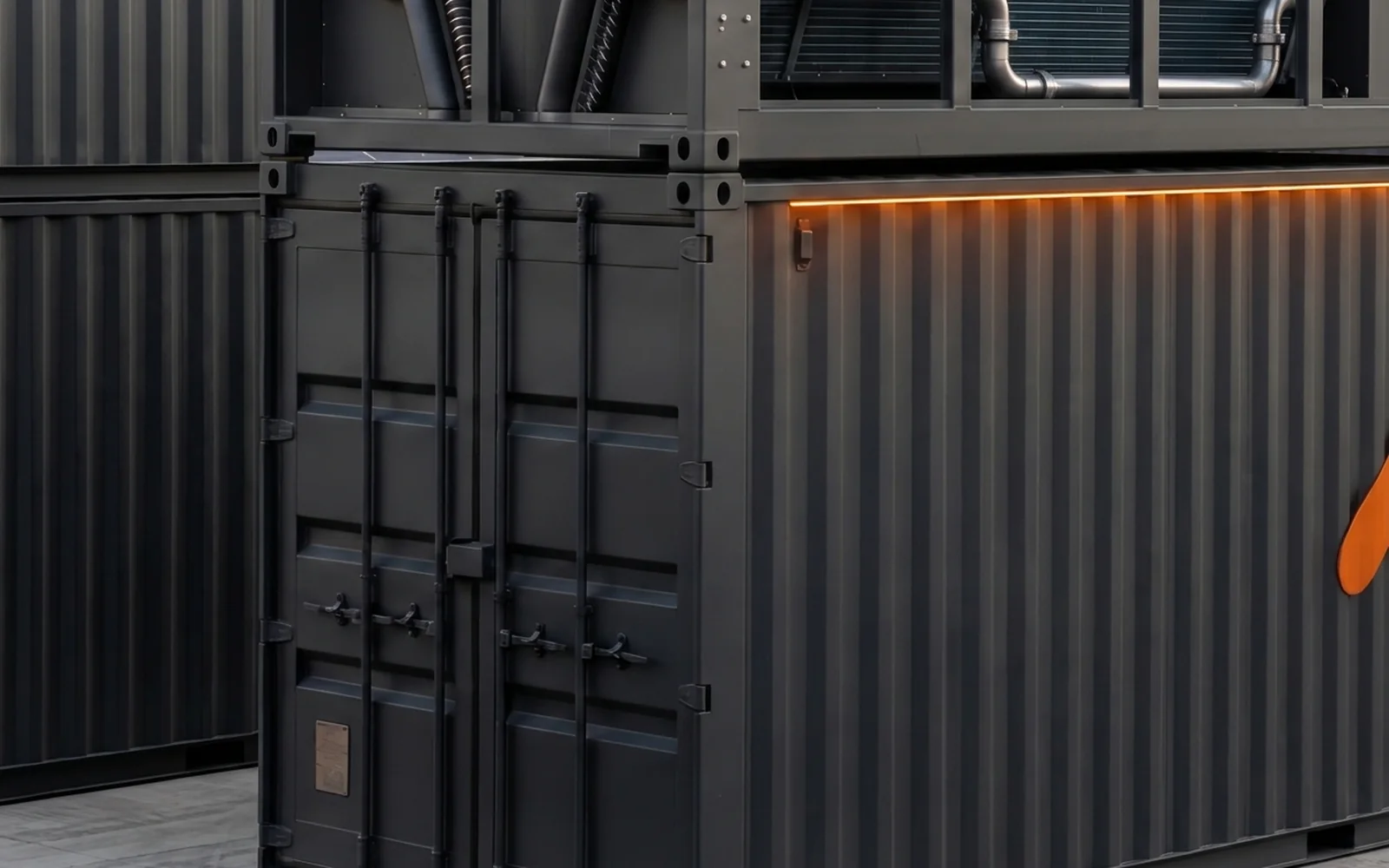
A low-solar-absorbing infrared-reflective gunmetal finish over a ceramic thermal barrier basecoat and a shaded roof deck are designed to minimise external solar gain.
What it means
The cooling system spends its capacity on GPU heat, not sun load, so a dark, architectural pod sits in the sunniest, highest-yield solar zones without shade structures or thermal throttling, inside a <55 dBA acoustic envelope at the fence.
- 03
Australian electrical, structural & fire spine
Designed for Australian certification
What it does
Designed around Australian standards for switchgear, wind-rated framing and clean-agent fire detection and suppression. Every pod passes witnessed factory acceptance testing before it ships and is certified in Australia.
What it means
Factory speed and cost, about one-sixth of a metro hall per MW, with the factory module scoped separately from site-specific civil, crane and connection works so a lender can reconcile the cost line pad by pad.
Indetail.
Australian spine // designed for Australian certification
Factory module and site works kept on separate lines
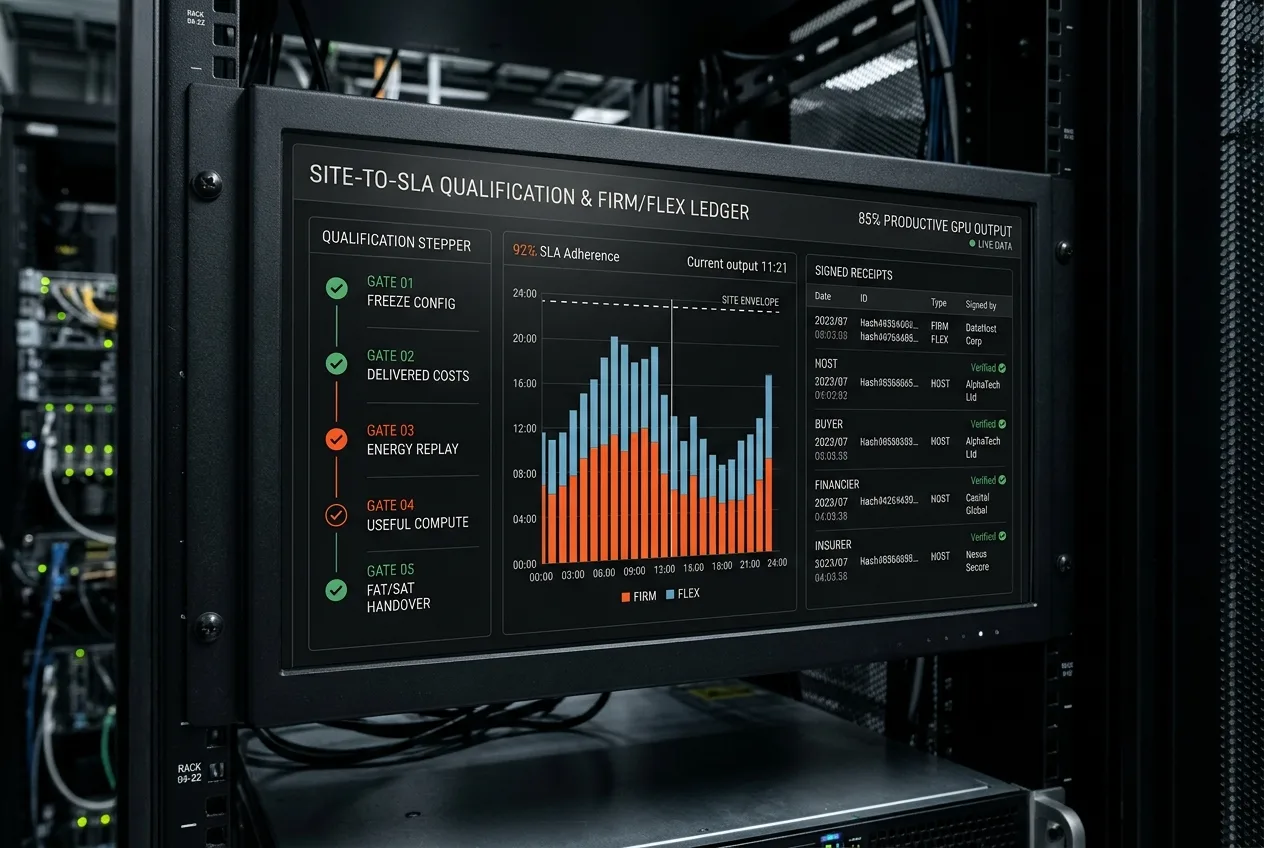
Deploy
Tell us the workload.We'll bring the pod.
A short conversation about what you run, where your customers are and when you need it.
Up next
How it works→